


Temples in Jajpur, Odisha
The city of Jajpur, which is sometimes called the "Spiritual Capital of Odisha", is rich in religious significance, historical splendour, and old customs. Because of its connection to Shaiva-Shakta worship, Tantric customs, and Shakti Peethas, it has a particular position in Hinduism. Jajpur is more than simply a place for pilgrims; it's a place where myths, rituals, and holy energy come to life as you travel through India's hallowed landscape.
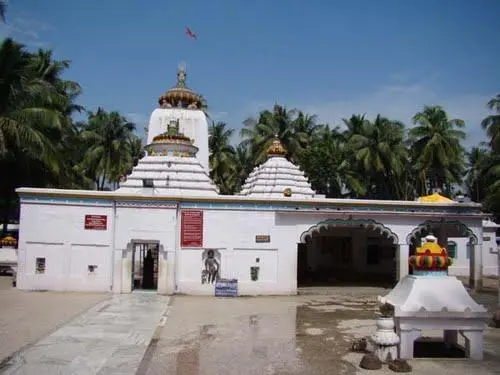
The Biraja Temple, which is devoted to the Goddess Biraja, is the focal point of Jajpur's spiritual environment. The navel of Goddess Sati is said to have fallen from this temple, one of the 51 Shakti Peethas. The architecture of the temple, with its intricate carvings and ceremonies, embodies the spirit of Odishan temple tradition, and the deity is praised here as Viraja Devi.

Frequently Asked Questions(FAQ)
1. Which Jajpur temple is the most well-known?
The most well-known is the Biraja Temple, which honours the goddess Biraja and is regarded as one of the 51 revered Shakti Peethas.
2. What makes the Biraja Temple a Shakti Peetha?
One of the most venerated Shakti Peethas in Hindu mythology, it is said to be the location where the navel of Goddess Sati landed.
3. What time does Biraja Temple open and close?
The temple is normally open from 6:00 AM to 9:00 PM, and daily rituals and aarti are conducted at predetermined times.
4. Does Jajpur have a role in traditional ceremonies?
Yes, pilgrims from all across India go to the Dasaswamedha Ghat on the Vaitarani River, a revered location for pind daan.
5. When is the ideal time to visit Jajpur's temples?
The best time to visit temples in Jajpur is during Navratri and the Chaitra month.