


Pind Daan In Biraja Temple
 Biraja Devi Temple Premises
 1 Yajman
 1 Hour

 Puja Samagri Included in Dakshina
1359+ Devotees have booked this puja

How Our Puja Booking Process Works

Select puja
Choose from our sacred collection of traditional pujas and rituals for your spiritual needs.

Name & Gotra
Provide your personal information and specific requirements for the divine ceremony.

WhatsApp Updates
Receive real-time updates and confirmations directly on your WhatsApp.

Live Stream & Prasad
Available services vary by temple and puja type. Online puja offerings may include live streaming, recorded video, or prasad.

About
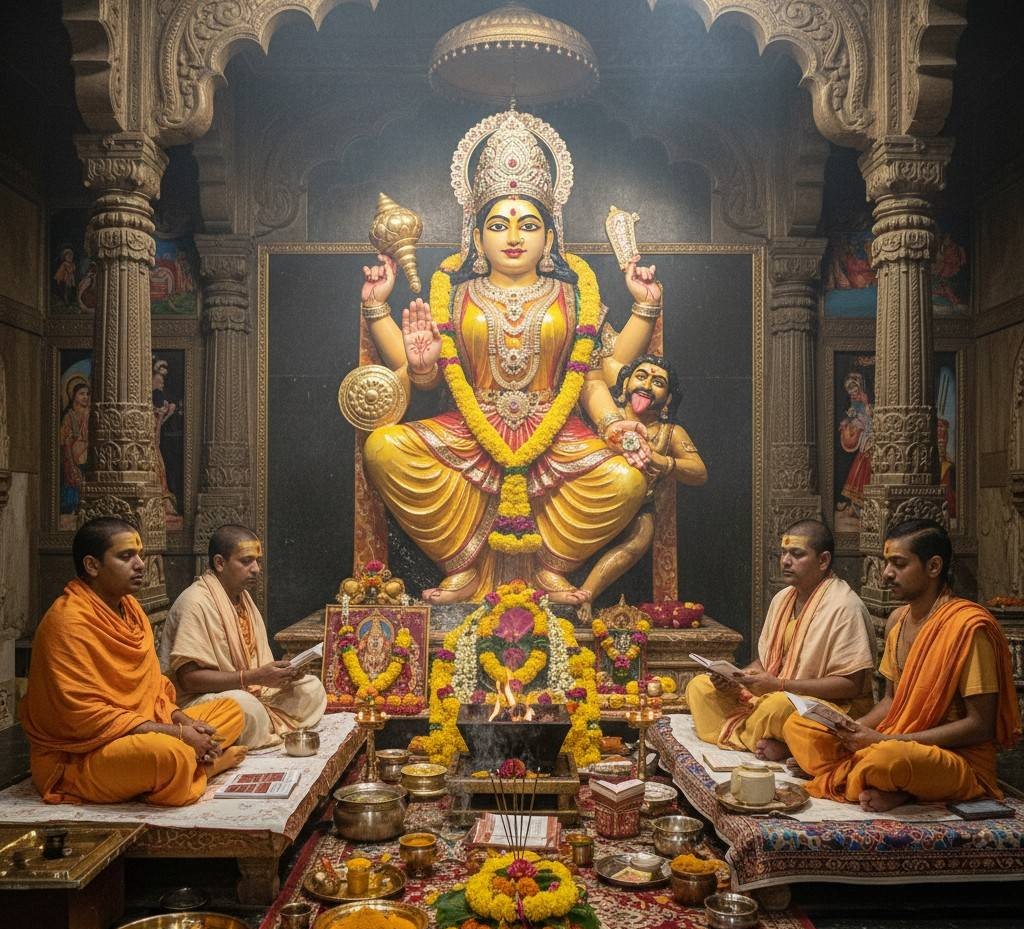
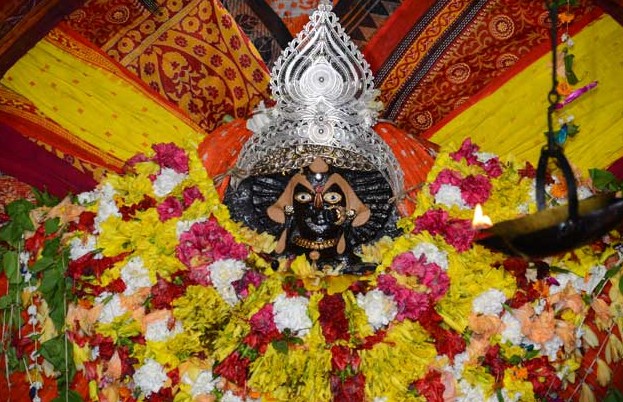
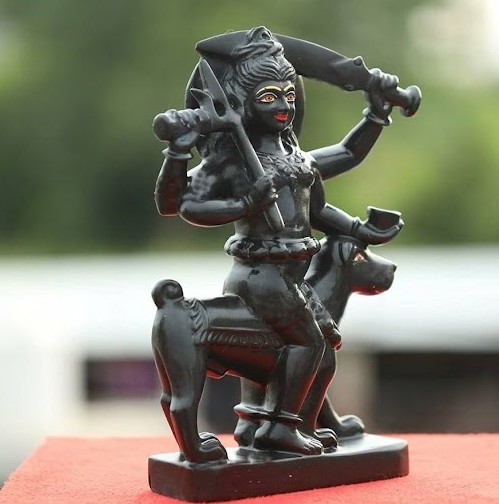
The Biraja Devi Temple located in Jajpur, Odisha, is one of the rare and powerful spiritual sites where two Hindu traditions divide one is: the Maha Shakti Peeth (the center of divine feminine energy) and a Gaya Kshetra (a leading site for ancestral ritual). Pind Daan is famously associated with Gaya in Bihar, and Jajpur is well known as Nabhi Gaya. According to Hindu methodology, when god Vishnu defeated the rakshasa Gayasura, the Gayasura's body was spread in three locations: Siro Gaya (Head): Gaya, Bihar; Pada Gaya (Feet): Pithapuram, Andhra Pradesh; and Nabhi Gaya (Navel): Jajpur, Odisha, located within the Biraja Temple. Because the navel of Gayasura fell here, the site is considered "limitless" in its power to grant salvation (Moksha) to ancestors.
Jajpur Pind Daan Online Booking
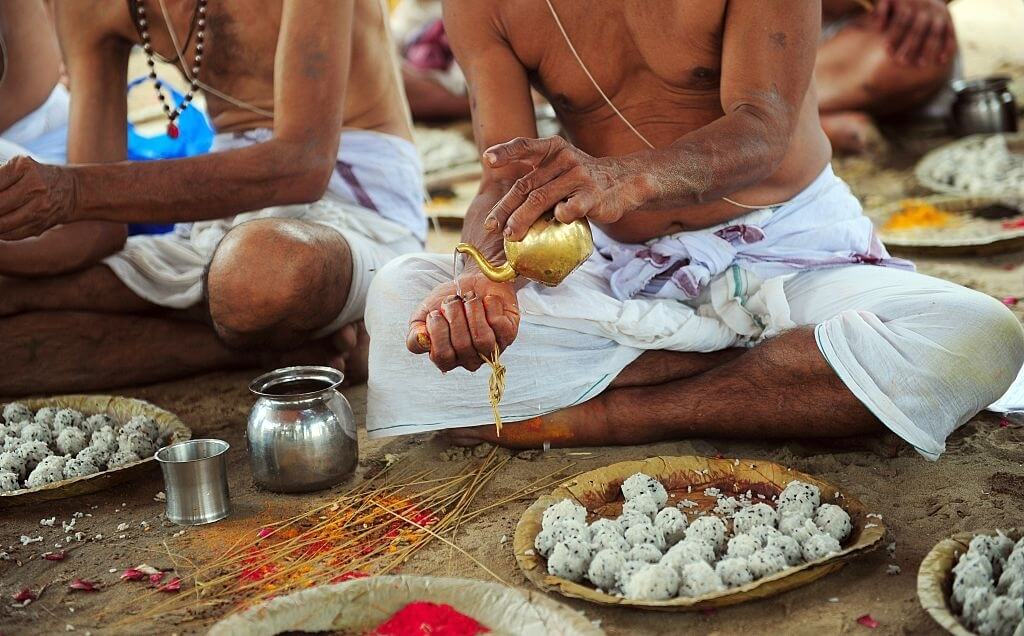
Devotees from across India choose Biraja Temple, Jajpur, for Pind Daan because of its sacred rivers, ancient Vedic traditions, and experienced priests who perform rituals as per proper scripture. The ritual generally includes Sankalp, Pind offerings made of rice flour and sesame seeds, Tarpan, and Brahmin Bhojan. You can easily complete Jajpur Pind Daan online booking through our religious platform, YatraDham.Org. Here we provide complete guidance of ritual, including all the necessary pind daan samagris and the best pandit in Jajpur for your ancestral ritual. Booking in advance ensures a smooth and spiritually fulfilling experience for you and your family.
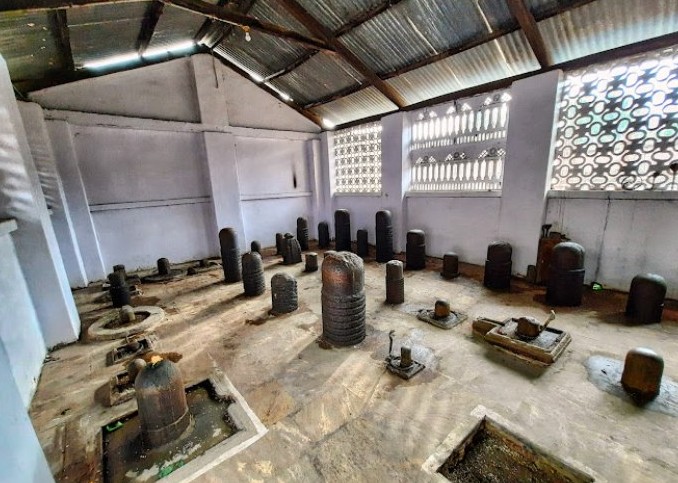
The ritual is performed at the Nabhi Gaya well, a stone-encircled well which is located inside the temple complex, near the main holy place. Devotees offer Pindas (rice balls mixed with black sesame) into the well. The person who performs this ritual should ideally fast until the puja is completed. The devotee should follow a Satvik diet, which means they should avoid onion, garlic and non-veg for at least one day earlier. They should wear clean traditional clothes. Men can wear a Dhoti and kurta, which is preferably white, while women can wear sarees or suits. firstly sankalp is taken in the name of the devotees. Then the priest invokes the Ancestors with the chanting of mantras. then during the puja, devotees immerse pind (white sesame seeds) and black sesame seeds in the holy river or pond and grant the moksha to their ancestors.
Significance of Pind Daan in Biraja Mandir, Jajpur
Performing ancestral rituals at the sacred Biraja Temple is considered highly auspicious in Hindu tradition. Biraja Mandir, one of the prominent Shakti Peethas, is not only a powerful centre of Goddess worship but also an important Pitru Tirtha where devotees perform Pind Daan, Pitru Shraddha, and Tarpan for the peace of their Pitru (ancestors). It is believed that offering Pind Daan in Biraja Mandir, Jajpur, helps ancestors attain Pitru Moksha and reduces the effects of Pitru Dosh in the family horoscope.
Pind Daan Cost in Biraja Temple, Odisha
A Biraja Mandir Pind Daan Cost usually starts from Rs. 3549, which usually includes complete guidance, trusted and experienced priests, along with essential Pind daan pooja samagris for the puja, following proper Vedic traditions.
Required Things (Puja Samagri)
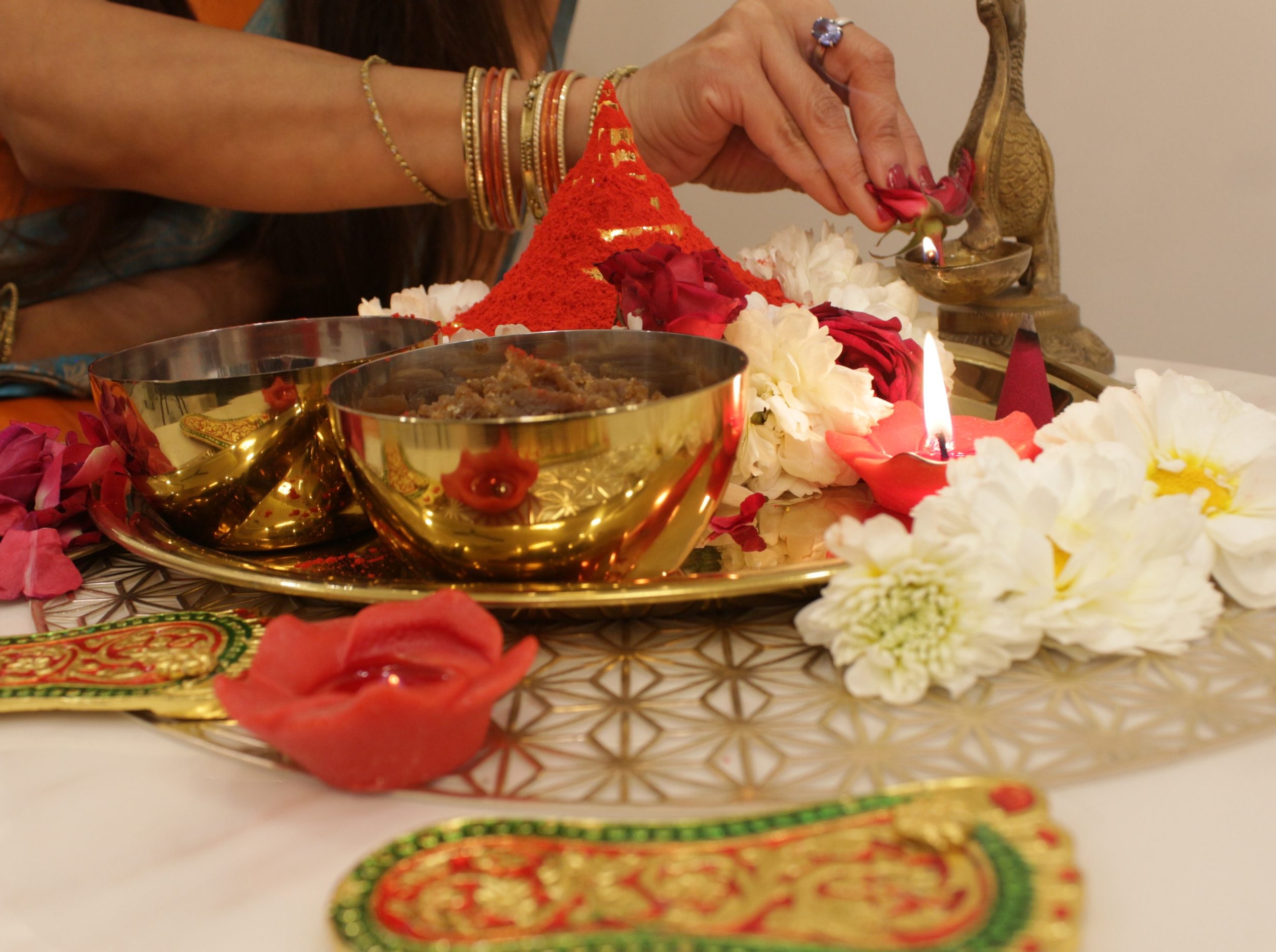
Cooked rice or barley flour means jau ka atta to form the rice balls (pindas), Pure desi ghee, honey, and fresh milk, Black sesame seeds (kala til), Kusha or Darbha grass, Pure water (often mixed with Ganga jal) for Tarpan, Fresh flowers usually white, Tulsi leaves, and Betel leaves (paan) with nuts (supari), White thread , Sandalwood paste (Chandan), Incense sticks (agarbatti), camphor (kapoor), and a Brass or earthen lamp (diya) with cotton wicks, Brass or copper plates (thali), bowls, and a water pot (Kalash)
When to Perform Pind Daan in Biraja Temple?
This puja is performed between 9 AM to 6 PM
Puja Duration
1 Hour
Yajman Details
- Total Yajman: 1
Benefits of Puja
To do Pind Daan at the Biraja Devi Temple (Nabhi Gaya) is believed to provide unique spiritual benefits because of the rare intersection of Shakti (divine Power) and Pitru (ancestral) energies. many of other sites where rituals benefits the seven generations,here it is specifically believed that Pind Daan at Nabhi Gaya has the power to liberate 21 generations of Pitru."Pitru Dosha" is a karmic debt from the pitru that can cause obstacles in one's life. Performing this rituals at this Shakti Peeth is said to Resolve delays in marriage and childbirth, Remove chronic health issues or "unexplained" financial Losses.Clear professional obstacals and bring stability to the household.
Frequently Asked Questions(FAQ)
1. What is Pind Daan Puja at Biraja Temple?
Pind Daan Puja at Biraja Temple is an ancestral ritual offering rice balls (pindas) for peace of departed souls and moksha, performed at the sacred Nabhi Gaya site.
2. Why perform Pind Daan in Biraja Mata Temple?
Devotees believe Pind Daan here helps resolve Pitru Dosha, removes life obstacles, and grants spiritual benefits due to the temple’s status as a sacred Gaya Kshetra.
3. Where is the Pind Daan ritual conducted in Biraja Temple, Jajpur?
The ritual takes place at the Nabhi Gaya sacred well inside the Biraja Temple complex.
4. Are puja samagri included in Pind Daan booking in Biraja Mandir?
Yes, all the essential puja samagri for Pind Daan is typically included in the booking package.
5. How can I book Pind Daan Puja at Biraja Temple?
You can book online Pind Daan Puja at Biraja Temple easily through YatraDham.Org with verified pandits and standardized rituals.
Explore Related Puja