


Temples in Mathura
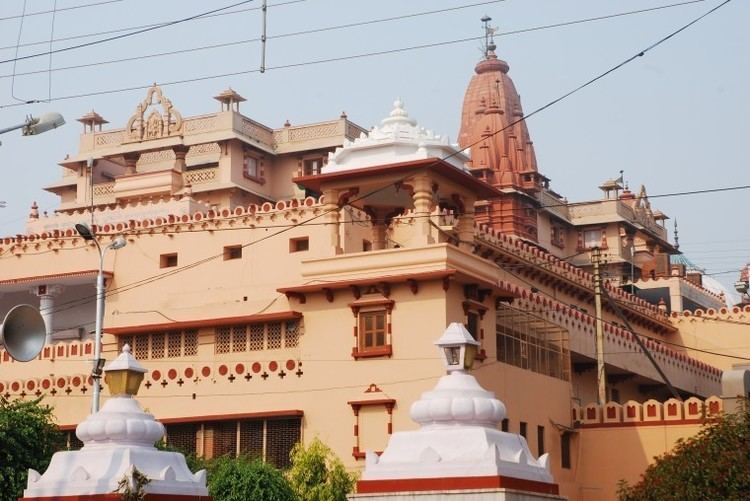
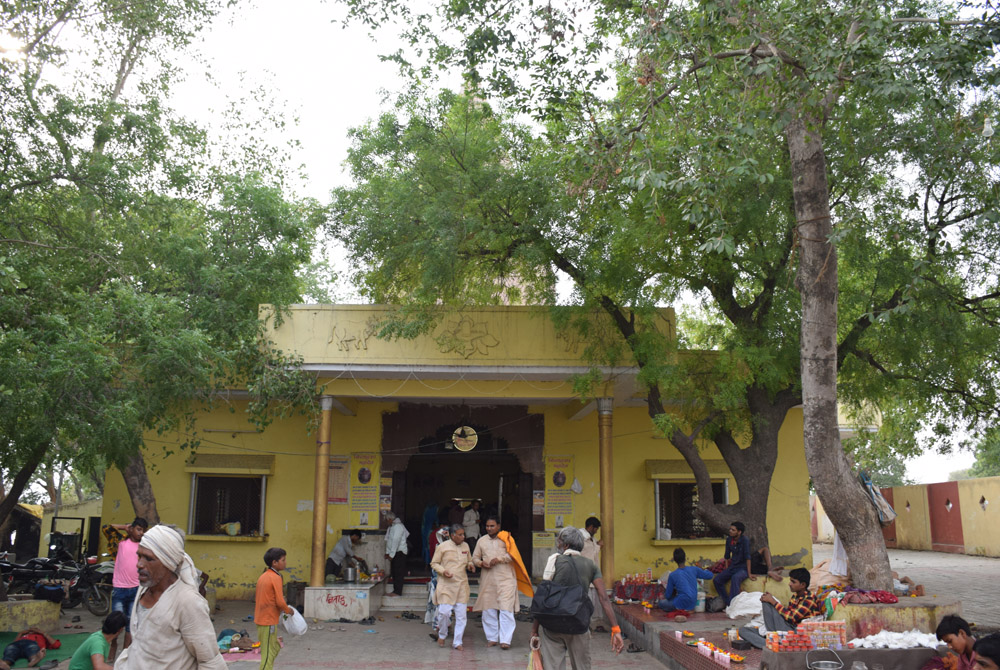
Mathura Temples
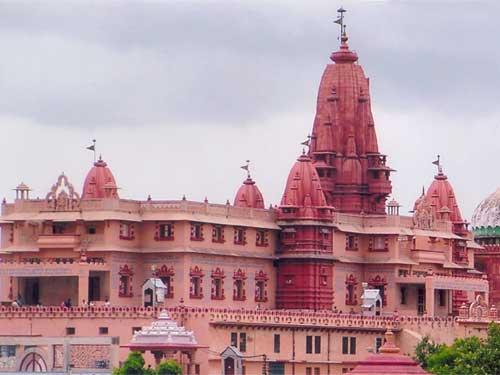
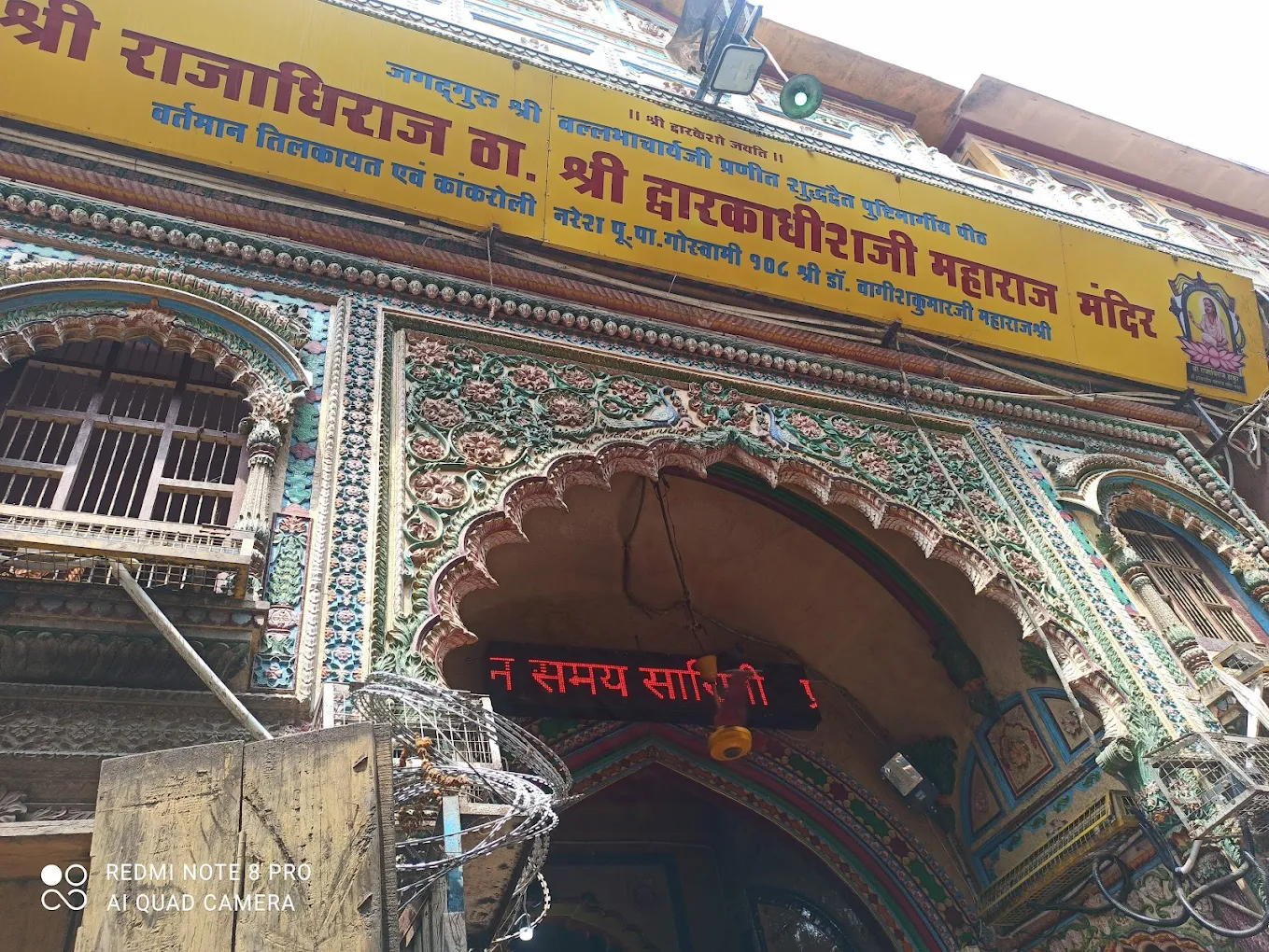
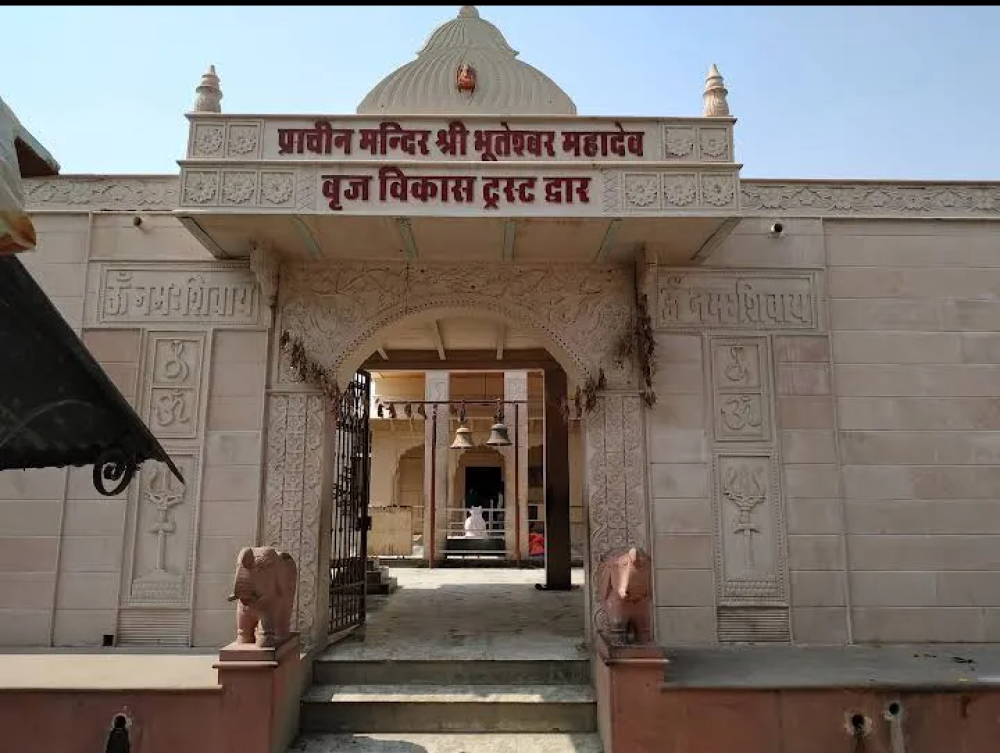
Mathura is one of the heritage cities of India where Lord Krishna was born, situated in Uttar Pradesh. Home to more than 5000 temples dedicated to Krishnaji and Radhaji that attracts millions of devotees to visit and worship like Shri Krishna Janmasthan and Dwarkadhish Temple. Numerous festivals are celebrated in Mathura specially Janmashtmi with many cultural events in the happiness of Lord Krishna's birth.
Devotees coming to Mathura can find many good places to stay near the temples. There are several places to stay in Mathura, including Dharamshala, ashrams, budget hotels and comfortable lodges. Many accommodations are located close to famous temples, making temple visits easy and convenient. During festivals, it is recommended to book your stay in advance for a smooth and comfortable visit.

Frequently Asked Questions(FAQ)
1. Which temple is famous in Mathura?
The Shri Krishna Janmabhoomi temple is famous in Mathura because it was Lord Krishna's birthplace.
2. What are the best times to visit temples in Mathura?
Mathura's temples are usually open from early morning until late evening. The exact time may vary from temple to temple.
3. Is photography allowed inside Mathura temples?
Photography guidelines may differ from temple to temple. While some temples allow photography in specific areas, others might restrict it completely.
4. What should visitors wear while visiting temples in Mathura?
Visitors are advised to dress properly and respectfully when visiting temples in Mathura. Before entering the temple, it is necessary to cover their shoulders and legs and take off their shoes.
5. What are the important festivals celebrated in Mathura temples?
Mathura temples celebrate various festivals, including Janmashtami, Holi, Radha Ashtami and Diwali.
6. What are the different architectural styles of temples in Mathura?
Mathura's temples reflect a variety of architectural styles, from ancient to modern. Traditional styles include Nagara (North Indian), Dravidian (South Indian) and a hybrid of the two, which represent regional influences over time.