


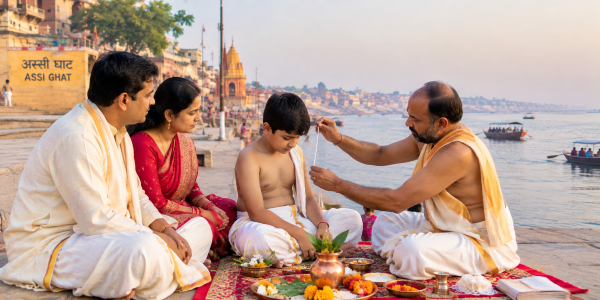
Yagnopavit Sanskar (Janeu) In Varanasi
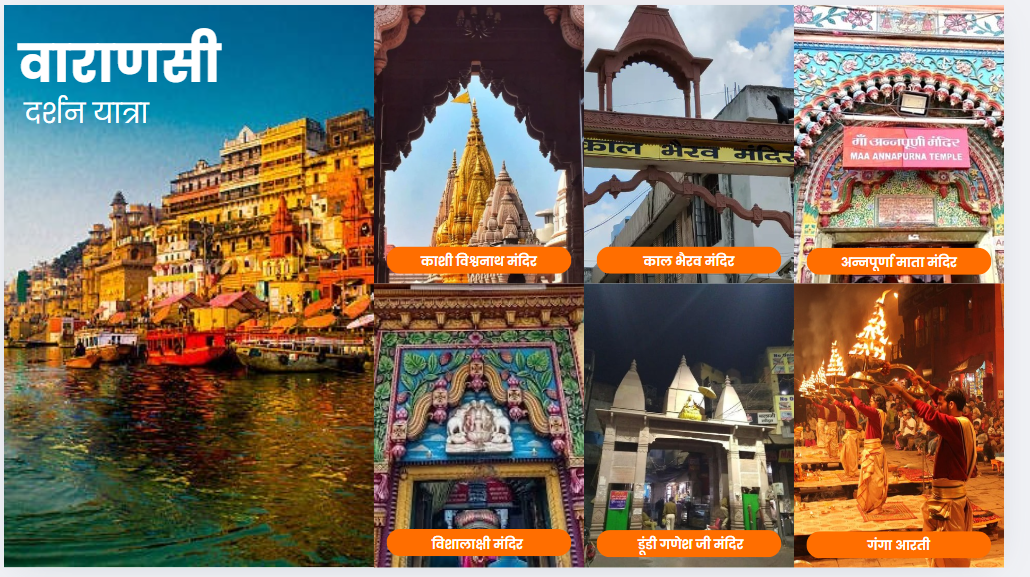
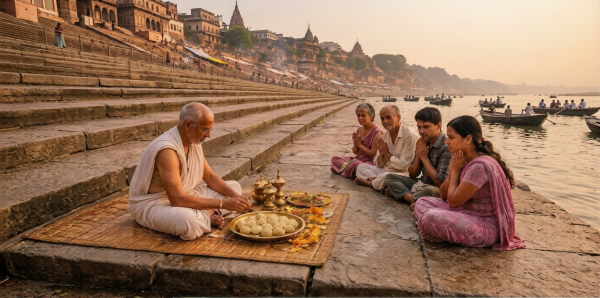
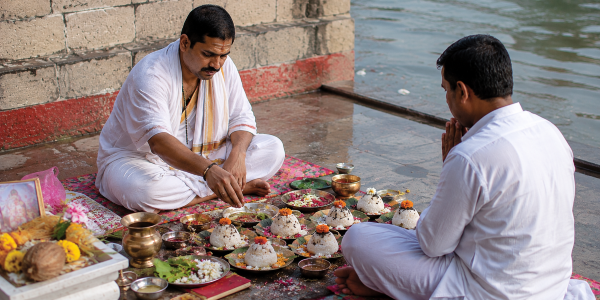
 At Assi Ghat, Varanasi
 1 Yajman
 2 to 2.50 Hours

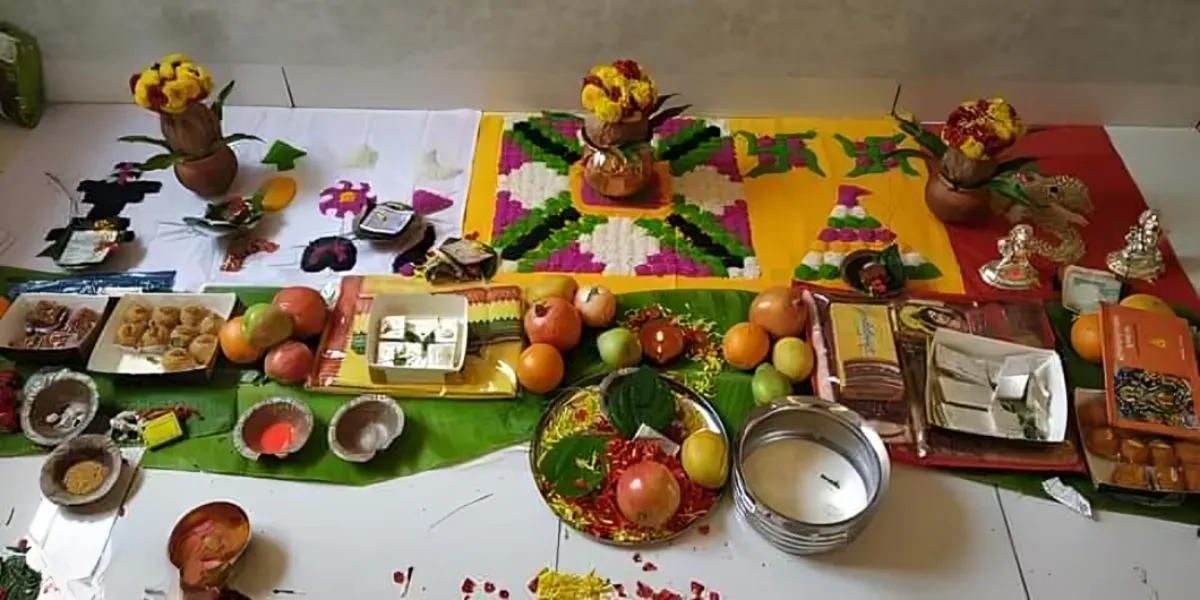
 Puja Samagri Included in Dakshina
200+ Devotees have booked this puja

How Our Puja Booking Process Works
Select puja
Choose from our sacred collection of traditional pujas and rituals for your spiritual needs.

Name & Gotra
Provide your personal information and specific requirements for the divine ceremony.

WhatsApp Updates
Receive real-time updates and confirmations directly on your WhatsApp.

Live Stream & Prasad
Available services vary by temple and puja type. Online puja offerings may include live streaming, recorded video, or prasad.

About
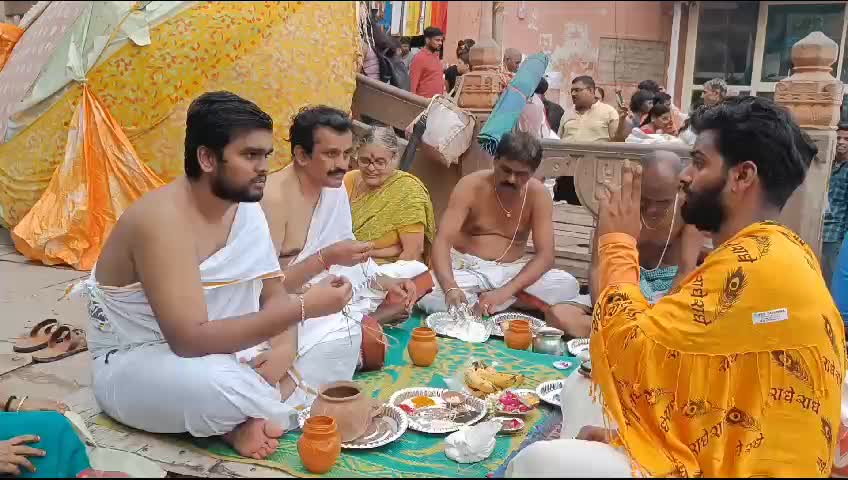
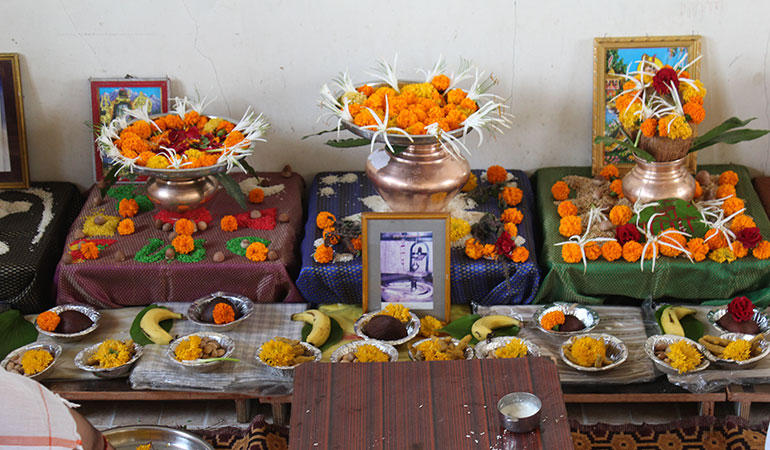
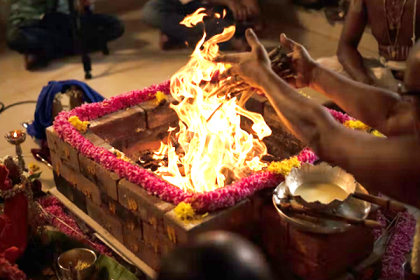
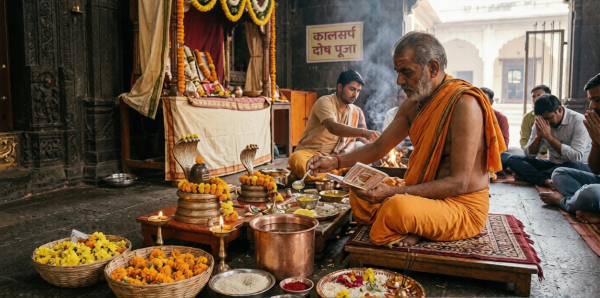
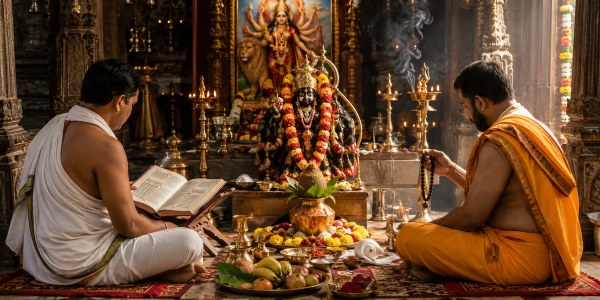
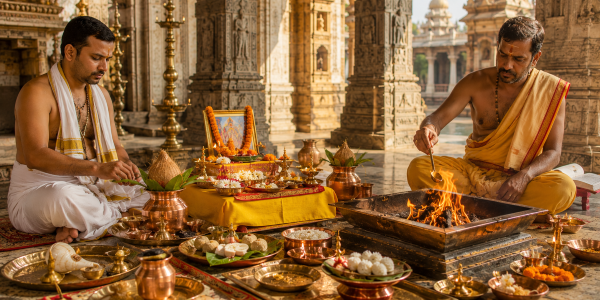
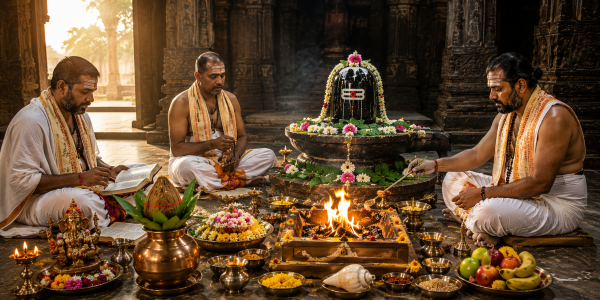
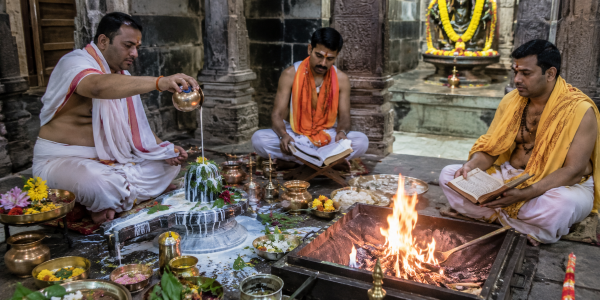
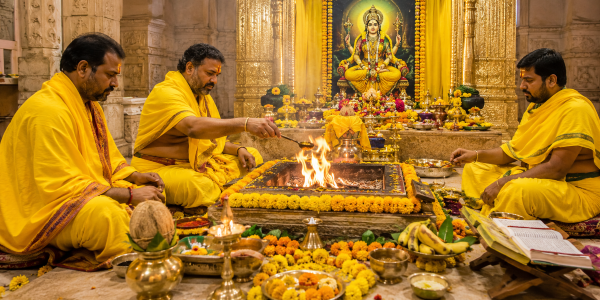
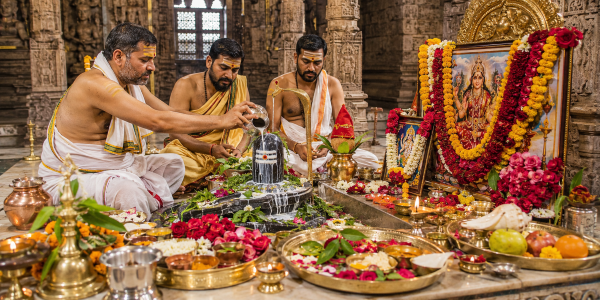
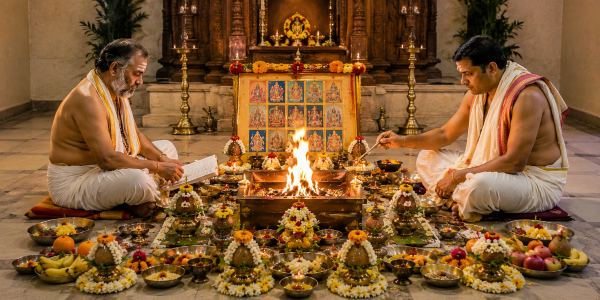
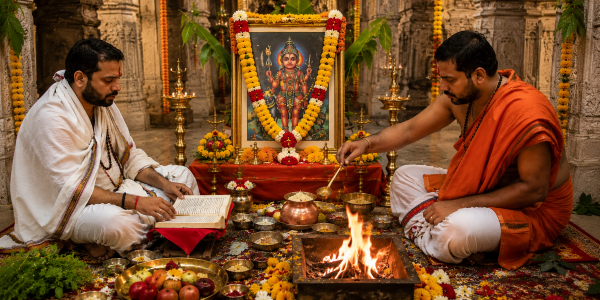
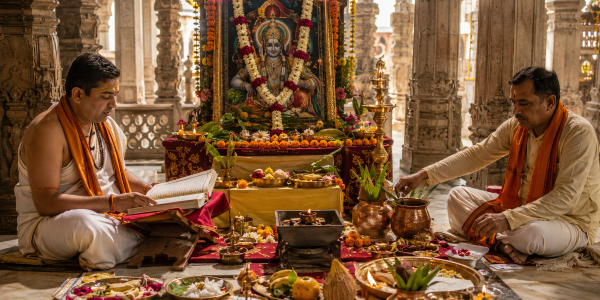
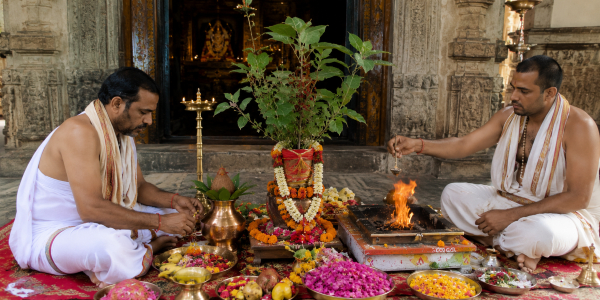
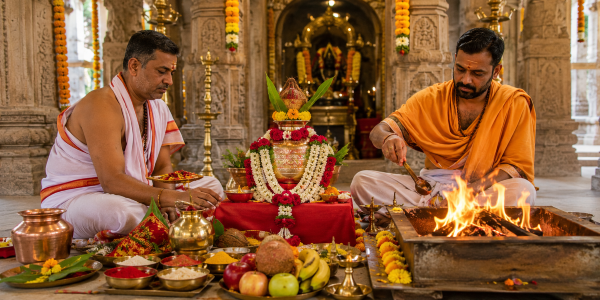
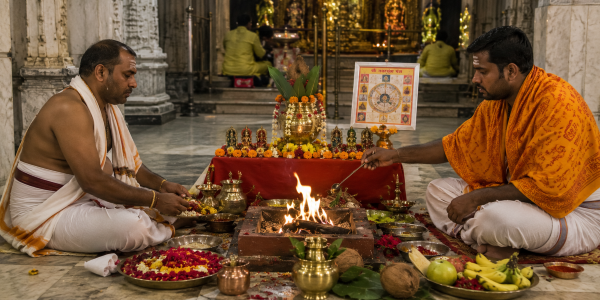
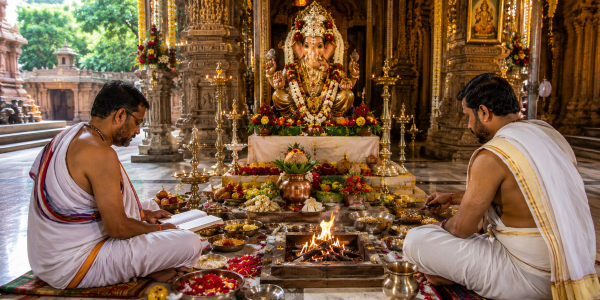
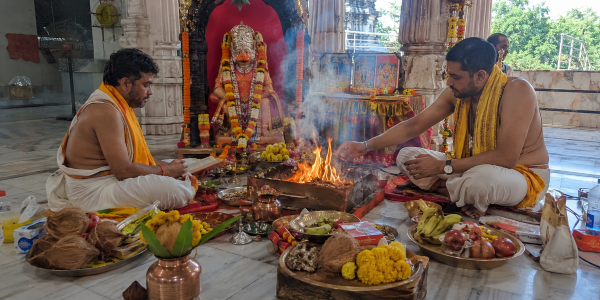
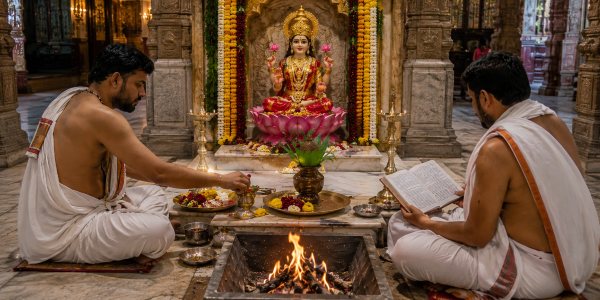
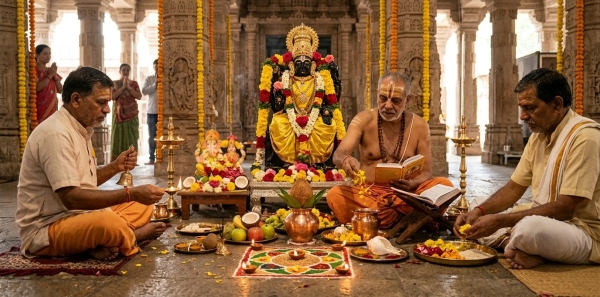
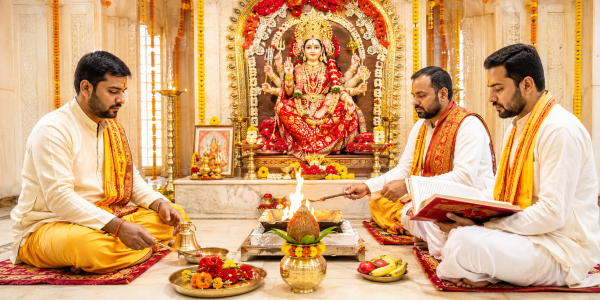
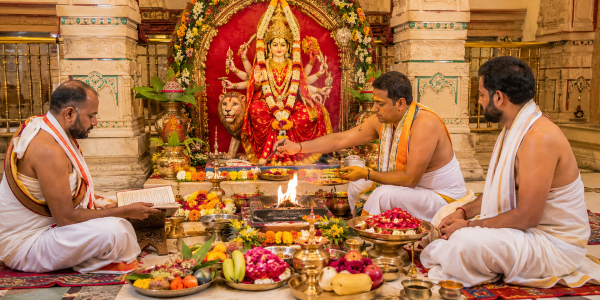
Yagnopavit Sanskar, also known as Janeu Sanskar or Upanayan Sanskar, is an important Hindu religious ceremony that marks a child's entry into spiritual learning and the traditional study of Vedic knowledge. The ceremony is performed under the guidance of a qualified Pandit Ji, with Vedic mantras and traditional rituals. The ceremony symbolises spiritual discipline, learning, responsibility and devotion towards religious duties. It is performed with Vedic mantras and blessings from the family and Pandit Ji.
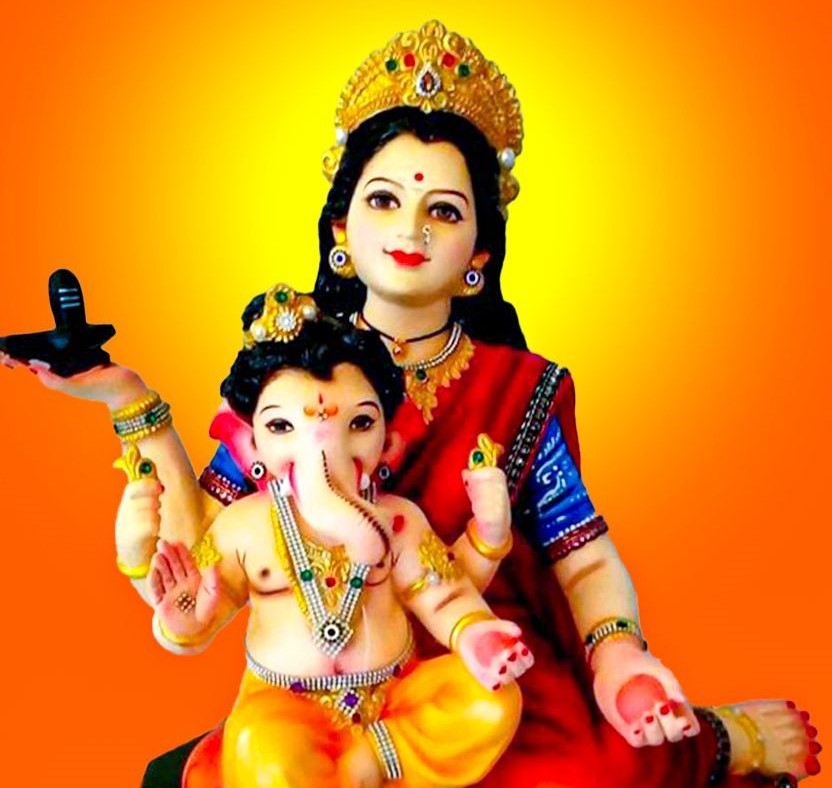
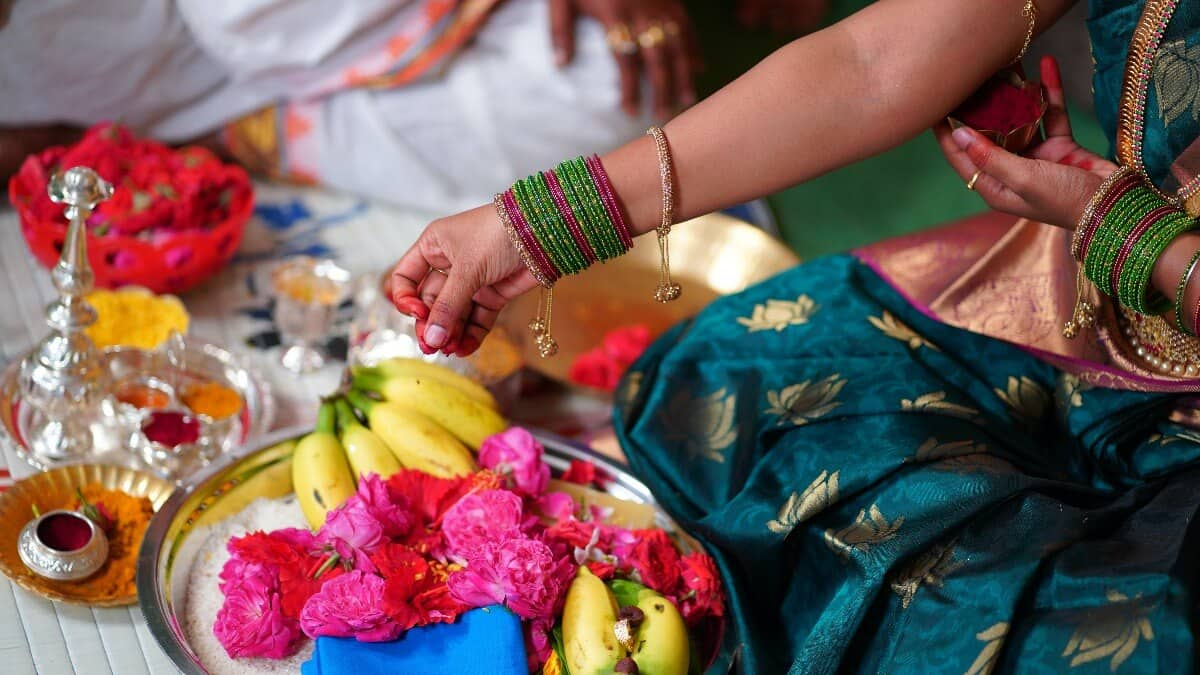
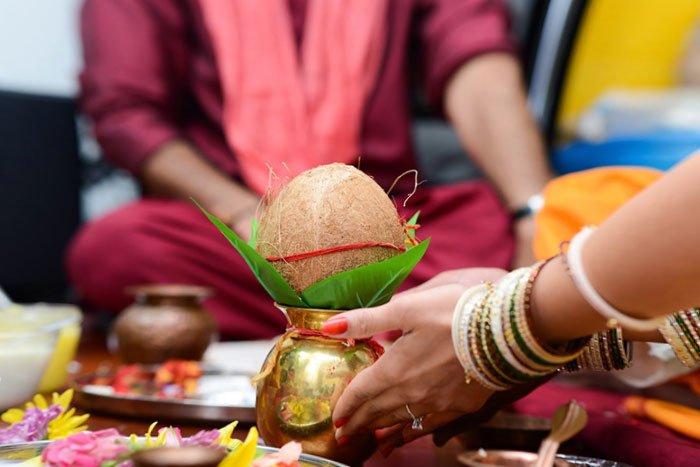
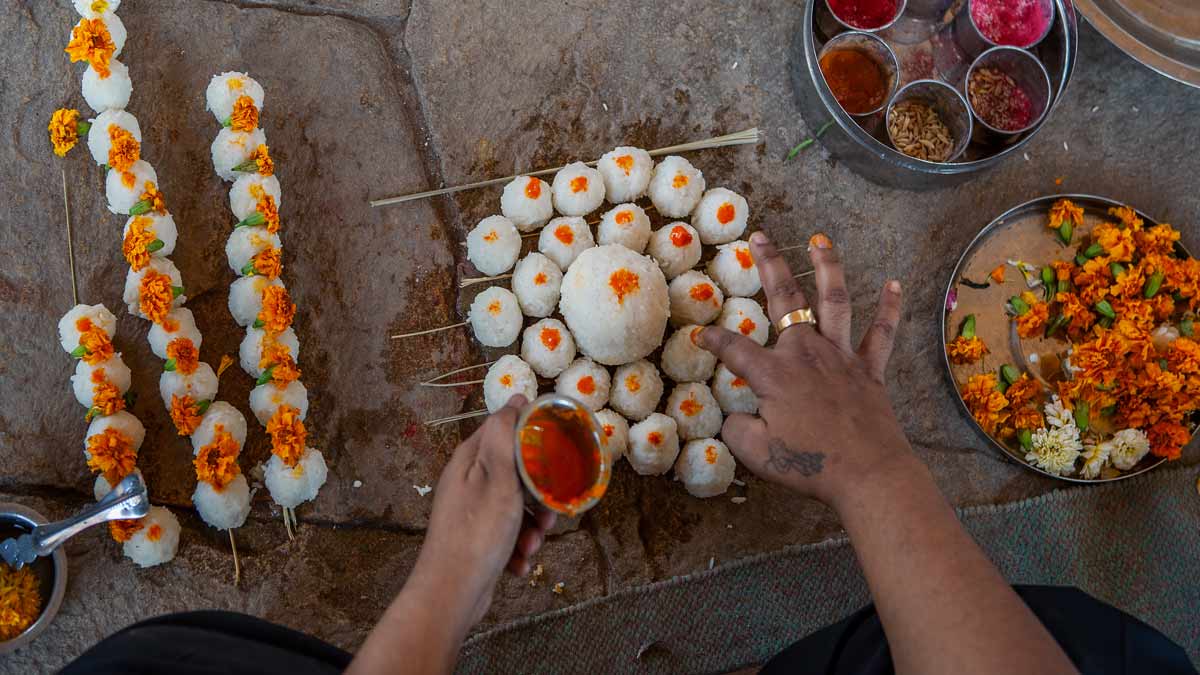
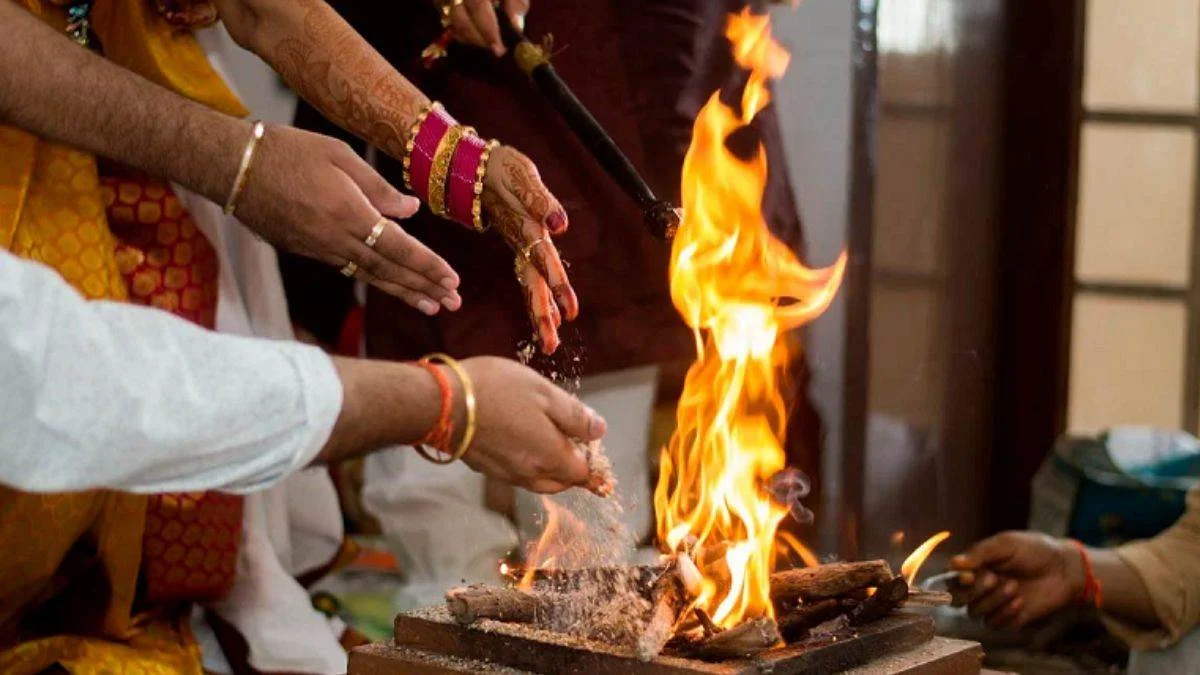
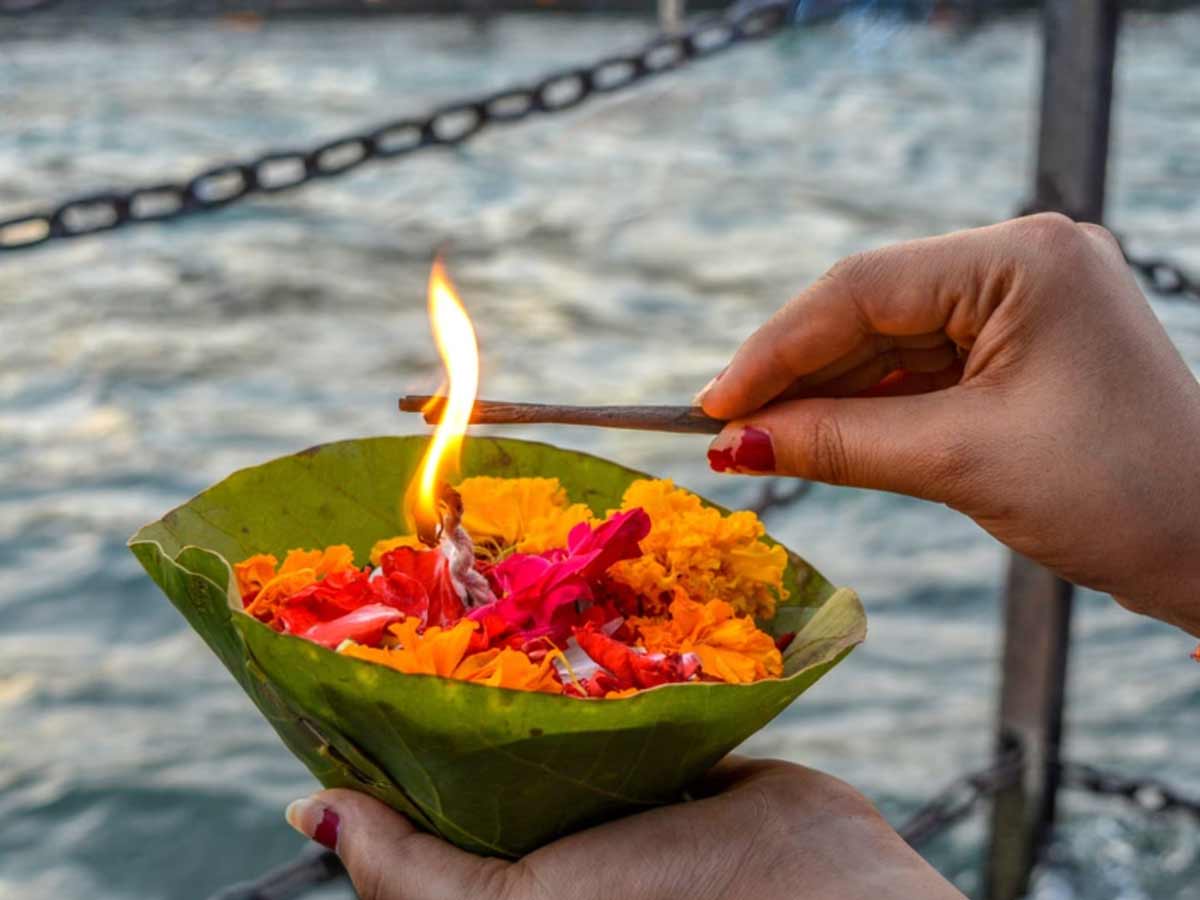
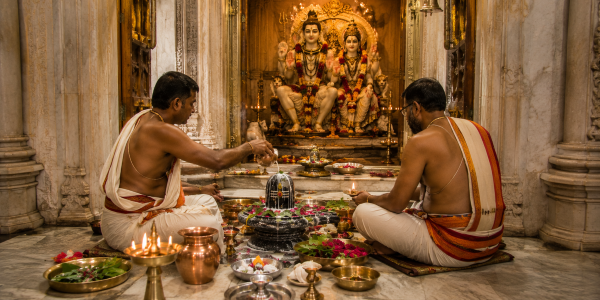
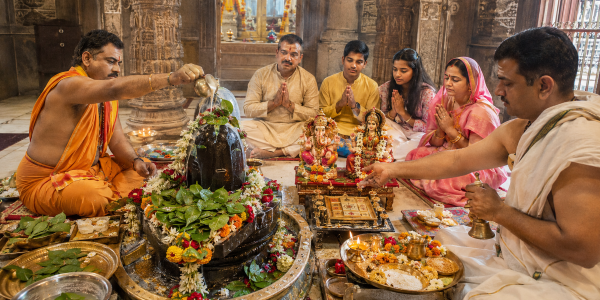
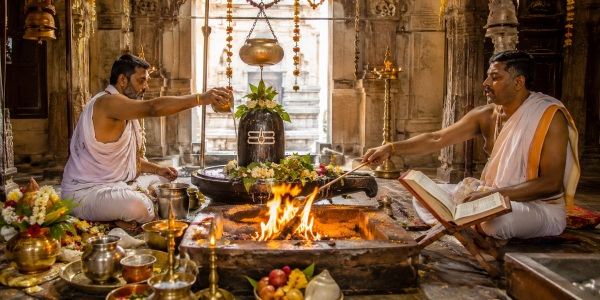
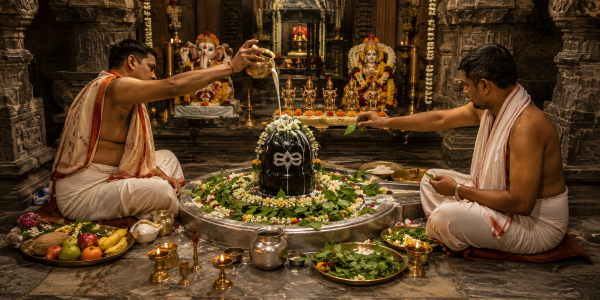
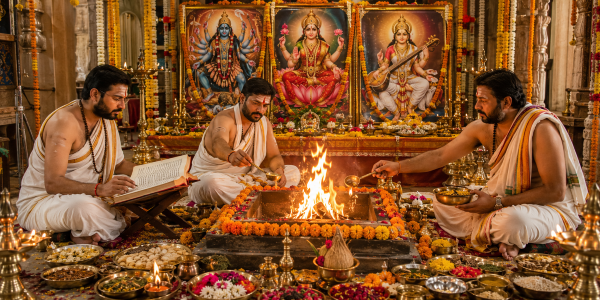
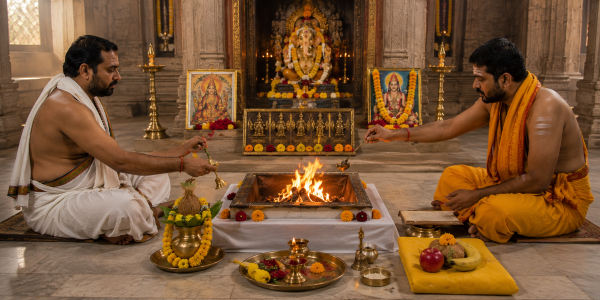
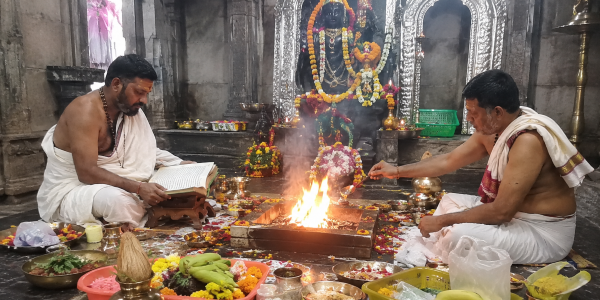
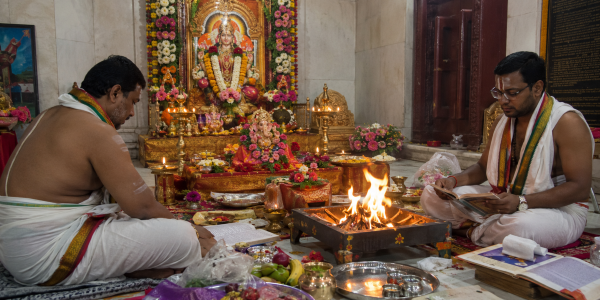
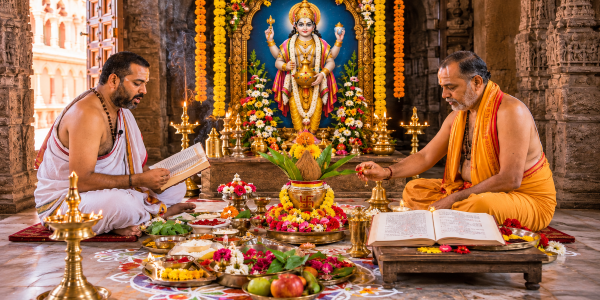
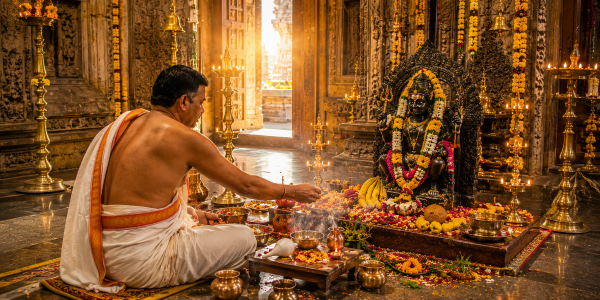
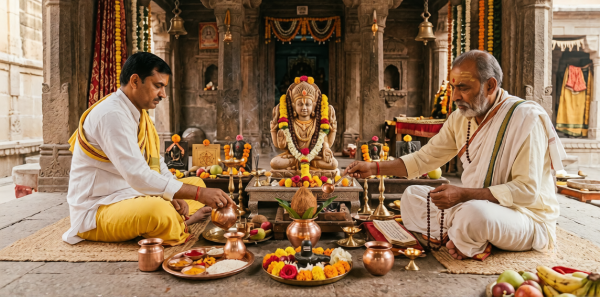
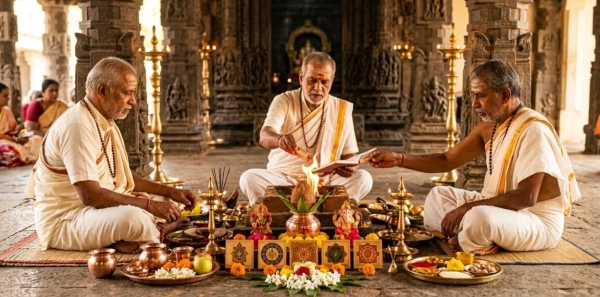
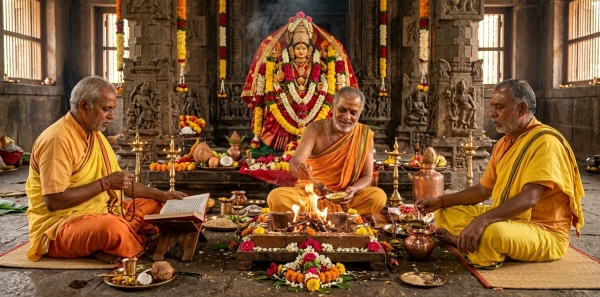
Yagnopavit Sanskar in Varanasi begins with Sankalp, where the Pandit Ji takes a sacred resolution for the successful completion of the ceremony. Then Ganesh Gauri Pujan is done to seek the blessings of Lord Ganesha and Maa Gauri. Kalash Pujan is then performed to invoke divine blessings and Navagraha Pujan for peace and auspiciousness. The main Yagnopavit Sanskar (Janeu) is then performed with traditional Vedic mantras, during which the sacred thread is ceremonially worn by the child. The ceremony is completed with prayers and blessings for spiritual growth, learning and a disciplined life.
When to Perform Yagnopavit Sanskar (Janeu) in Varanasi?
This puja is performed between 7:00 AM to 6:00 PM.
Puja Duration
2 to 2.50 Hours
Yajman Details
- Total Yajman: 1
Benefits of Puja
Yagnopavit Sanskar is traditionally considered an important milestone in a child's spiritual and educational journey. It encourages discipline, devotion, respect for elders and the importance of learning. The ceremony helps the child begin a life of religious awareness and responsibility, while seeking the blessings of the deities and family elders. It is also associated with the traditional initiation into Vedic learning and spiritual practices.
Explore Related Puja